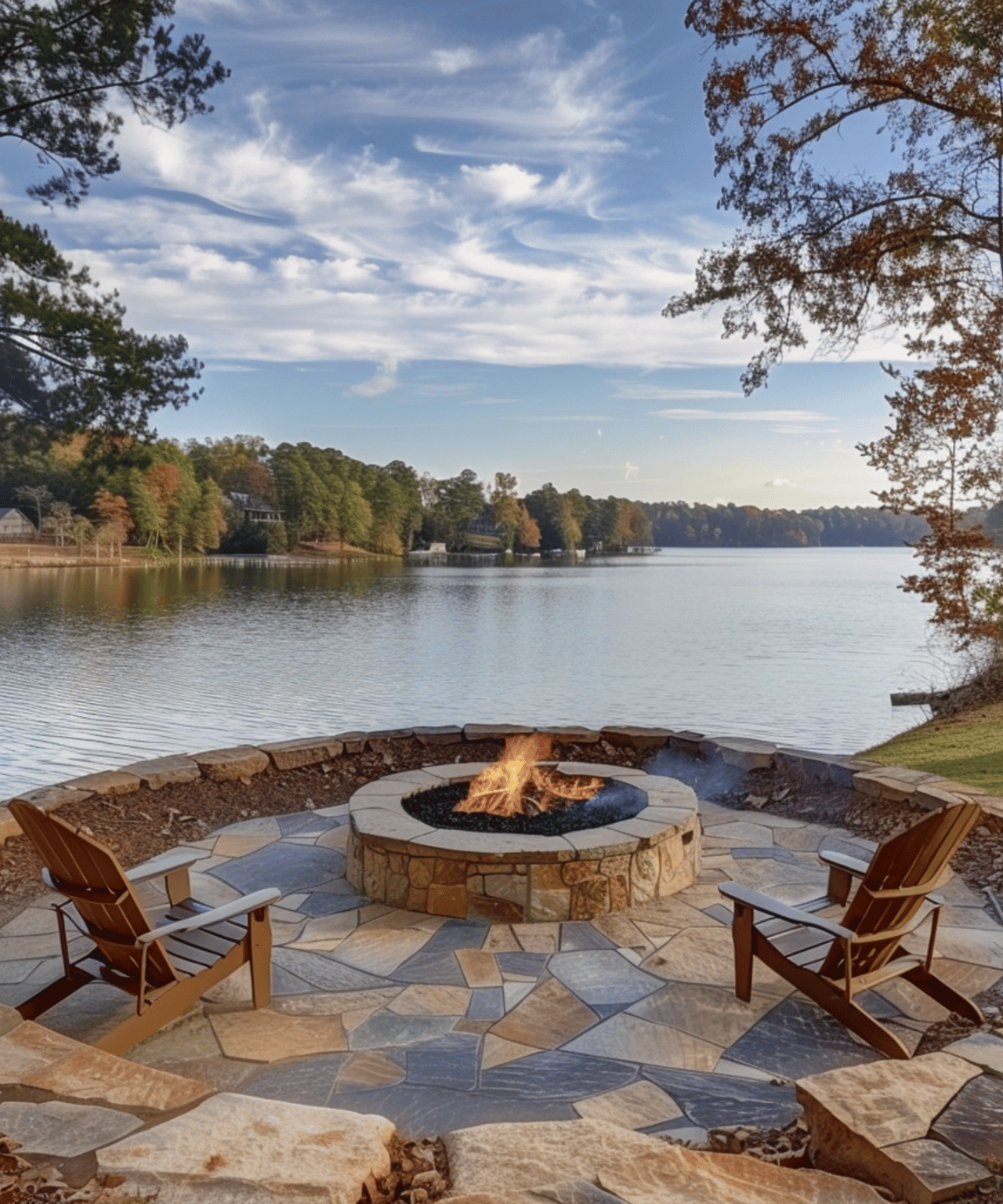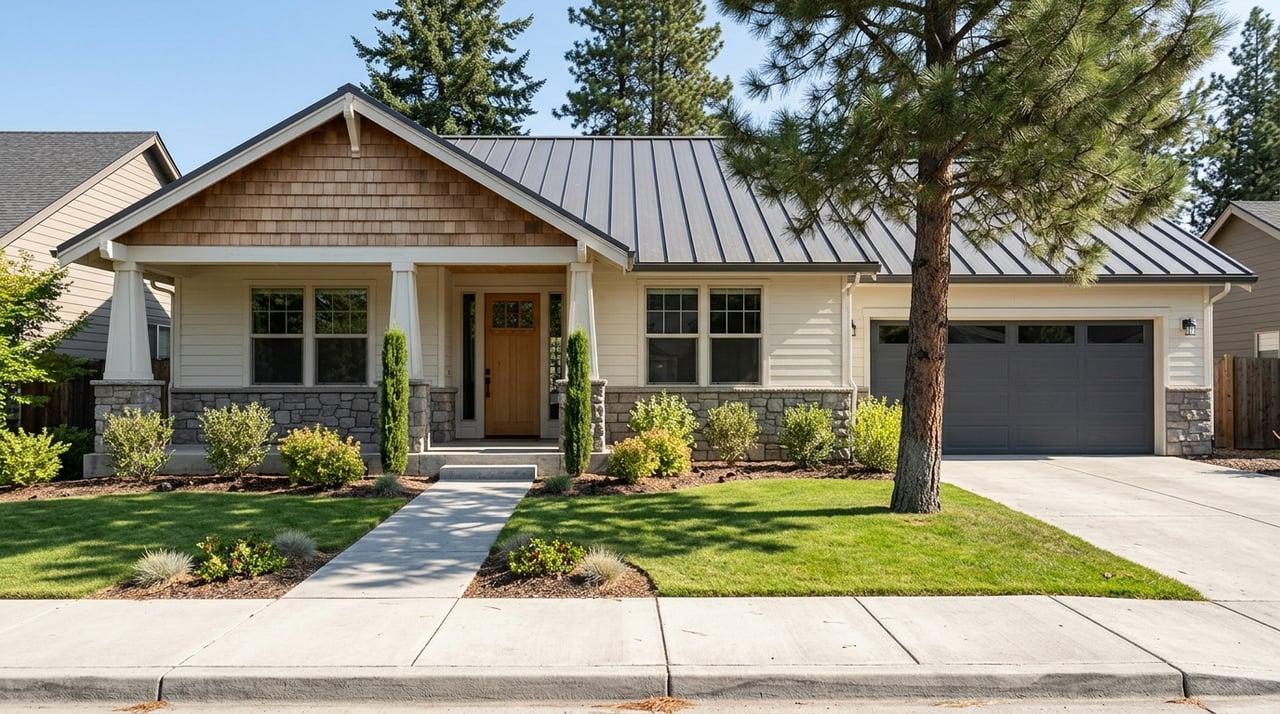
Thinking about a move to Post Falls? You are not alone. For many buyers, Post Falls stands out because it offers North Idaho living with easy access to the larger Spokane and Coeur d'Alene corridor. If you want a clearer picture of housing, commuting, and what daily life really feels like here, this guide will help you sort through the essentials. Let’s dive in.
Why Post Falls Draws Relocating Buyers
Post Falls sits in a location that makes it easy to stay connected. The city is four miles east of the Washington-Idaho border along Interstate 90, about 20 miles east of Spokane, with Coeur d'Alene to the east, the Spokane River to the south, and Rathdrum Prairie to the north.
That setting matters if you want a North Idaho home base without feeling cut off from jobs, services, and regional amenities. For many buyers, Post Falls offers a practical middle ground between outdoor lifestyle and day-to-day convenience.
What the Housing Market Looks Like
If you are relocating to Post Falls, expect a market in the low-to-mid $500,000s based on recent snapshot data. Redfin reported an April 2026 median sale price of $524,729, while Zillow’s April 30, 2026 data showed a typical home value of $530,937.
Those numbers are best used as a general market pulse, not as a substitute for pricing a specific property. Different platforms use different methods, but together they show that Post Falls remains an active and competitive market.
How Fast Homes Are Moving
Recent data suggests homes are moving fairly quickly. Redfin showed homes selling in about 19 days with a 99.5% sale-to-list ratio, while Zillow reported a median 10 days to pending and 195 homes for sale.
For you as a buyer, that means preparation matters. If you find a property that fits your budget, location goals, and lifestyle, it helps to be ready to act with a clear plan.
What Types of Homes You Will Find
Post Falls is not just one kind of housing market. City planning documents describe many areas east and south of the city center, plus neighborhoods north of the freeway, as primarily single-family residential.
At the same time, the city center has long planned for townhomes and higher-density infill near Spokane Street and 4th Avenue. Current inventory reflects that range, with single-family homes on suburban lots, townhome-style and condo options, and land opportunities from smaller river lots to larger acreage parcels.
Why the Mix Matters for Relocation
That variety gives you more than one way to live in Post Falls. You may prefer a lower-maintenance townhome close to services, a traditional neighborhood home, or a parcel with more space and flexibility.
For buyers coming from out of area, this broader mix can be a real advantage. It creates room to match your home search to your commute, budget, and how much land or outdoor access you want in your daily life.
What Commuting in Post Falls Feels Like
Post Falls is best understood as a car-oriented city. Redfin gives it a Walk Score of 23, which supports what many relocating buyers notice quickly: this is not a place where most daily errands happen on foot.
That does not mean it feels inconvenient. It means your routine will likely revolve around driving, especially for work, shopping, and regional trips along the Interstate 90 corridor.
Spokane and Coeur d'Alene Access
One of Post Falls’ biggest strengths is its position between Spokane and Coeur d'Alene. If your work, appointments, or regular activities take you west toward Spokane or east toward Coeur d'Alene, Post Falls gives you a central base within that larger corridor.
This is one reason the city appeals to people who want North Idaho residency while staying tied to a broader job and service market. The location supports flexibility, especially for households with mixed schedules or cross-state routines.
Public Transit Options
Kootenai County’s Citylink system includes Post Falls among its service cities. The ABC route and paratransit operate Monday through Friday from 6 a.m. to 7 p.m. and Saturday from 9 a.m. to 4 p.m., with no Sunday service.
That can be helpful for some trips, but most households will still rely heavily on a personal vehicle. Spokane Transit serves the Spokane area separately, so commuters moving between the two metro areas should expect a multi-system setup rather than one seamless local network.
What Daily Life Looks Like
A big part of relocating well is understanding how everyday life works once the moving boxes are gone. In Post Falls, daily life tends to blend suburban convenience with easy access to trails, parks, and the river.
That balance is a major reason people choose to settle here. You can run errands, get where you need to go, and still have quick access to outdoor spaces that make the area feel distinctly North Idaho.
Where Errands Happen
City planning materials identify Seltice Way as a major commercial hub with grocery stores, banks, fast-food options, and big-box businesses. Spokane Street and 4th Avenue also remain important commercial and mixed-use streets in the city center.
In practical terms, that means errands are not scattered randomly across town. Many of the services you need day to day are concentrated along established corridors, which can make routines feel more efficient.
Civic Amenities That Support Daily Living
Post Falls also has the public infrastructure that helps a city feel settled and usable year-round. The Post Falls Library is located at 821 N Spokane St, with hours Monday through Thursday from 10 a.m. to 7 p.m. and Friday through Saturday from 10 a.m. to 4 p.m.
City hall and parks and recreation are centered on North Spokane Street, and the city maintains more than 200 miles of streets. For a relocating buyer, these details may seem small at first, but they matter because they shape the feel of daily routines and community access.
Outdoor Access Is a Major Lifestyle Perk
If outdoor access is high on your list, Post Falls has a lot to offer. The city says it has 36 parks across more than 900 acres of park land, 38 miles of trails, and 112 climbing routes.
It also notes that roughly 10 miles of the 23-mile North Idaho Centennial Trail run through Post Falls and connect into Spokane and Coeur d'Alene. That kind of trail linkage adds real value if you want recreation close to home.
Spokane River Access
The Spokane River is a defining part of life in Post Falls. Several parks and open spaces make it easier to enjoy the water without planning a full weekend getaway.
Q'emiln Park, at the south end of the Spokane Street bridge, includes a guarded swimming beach, boat launch, climbing walls, and trailhead access to the Community Forest. Falls Park offers fishing, scenic views of the dam and gorge, and walking paths, while Black Bay Park provides paved walking and biking trails tied into the Centennial Trail plus fishing access along the river.
Community Forest and Trail Use
The city describes the 500-acre Community Forest as its largest park and open-space project. It includes about two miles of Spokane River frontage along with hiking, biking, climbing, and wildlife-viewing opportunities.
For many buyers, this is where Post Falls starts to stand apart from a standard suburban move. You are not just choosing a house. You are choosing how close you want to be to trails, water, and daily access to outdoor recreation.
How to Think About Your Move
The best way to approach a Post Falls relocation is to think beyond square footage alone. Home type, commute pattern, access to services, and your preferred pace of life all matter.
It helps to narrow your priorities before you start touring homes. A few key questions can make your search more focused:
- Do you need quick Interstate 90 access for commuting?
- Would you prefer a single-family neighborhood, a townhome, or land?
- How important is river access or trail proximity?
- Do you want to be near major errand corridors like Seltice Way or closer to city-center streets such as Spokane Street and 4th Avenue?
- Are you looking for a standard residential property or something with acreage, waterfront, or investment potential?
Final Thoughts on Relocating to Post Falls
Post Falls offers a combination that is easy to see once you look at the full picture: a competitive housing market, strong regional access, practical commercial corridors, and exceptional river-and-trail amenities for a city its size. It is not a pedestrian-first market, and most households will depend on driving, but many buyers see that tradeoff as worth it for the location and lifestyle.
If you are planning a move and want help weighing neighborhoods, property types, commute considerations, or land and waterfront opportunities in North Idaho, Mia Suchoski can help you find the right fit with clear, local guidance.
FAQs
What is the current housing market like in Post Falls, Idaho?
- Recent April 2026 snapshot data places Post Falls in the low-to-mid $500,000s, with Redfin showing a median sale price of $524,729 and Zillow showing a typical home value of $530,937.
Is Post Falls, Idaho, a good place for Spokane commuters?
- Post Falls is about 20 miles east of Spokane and four miles east of the Washington-Idaho border along Interstate 90, which makes it a practical option for people who need access to the Spokane area.
Can you get around Post Falls without a car?
- Post Falls is generally car-oriented, with a Walk Score of 23, although Citylink public transit serves the area on weekdays and Saturdays.
What kinds of homes can you buy in Post Falls, Idaho?
- Buyers can find single-family homes, townhome-style and condo options, and land ranging from smaller lots to larger acreage parcels.
What outdoor amenities are available in Post Falls?
- The city reports 36 parks, more than 900 acres of park land, 38 miles of trails, Spokane River access, and popular spots like Q'emiln Park, Falls Park, Black Bay Park, and the Community Forest.
Where do most everyday errands happen in Post Falls?
- Many daily services are concentrated along Seltice Way, while Spokane Street and 4th Avenue remain important commercial and mixed-use corridors in the city center.