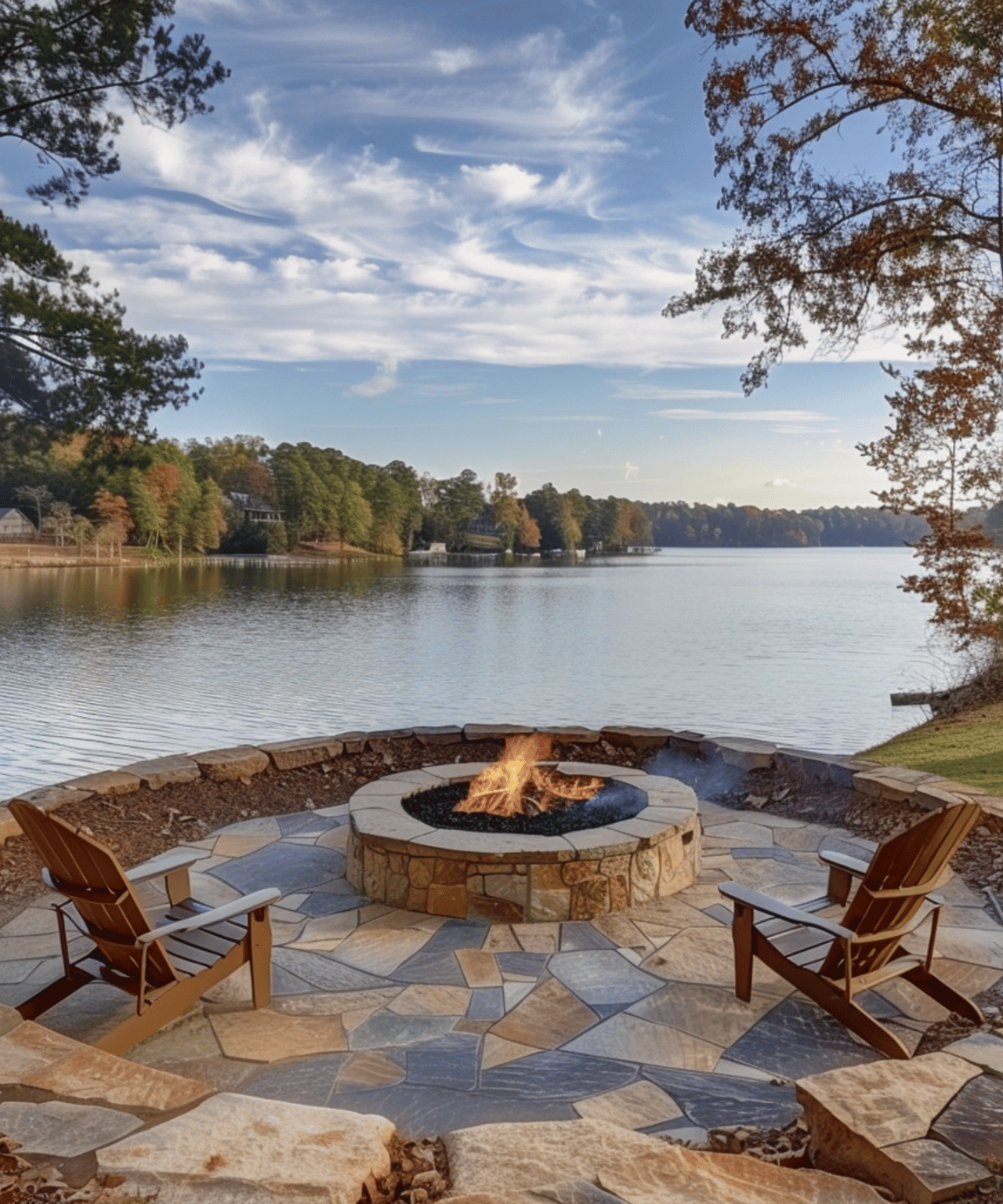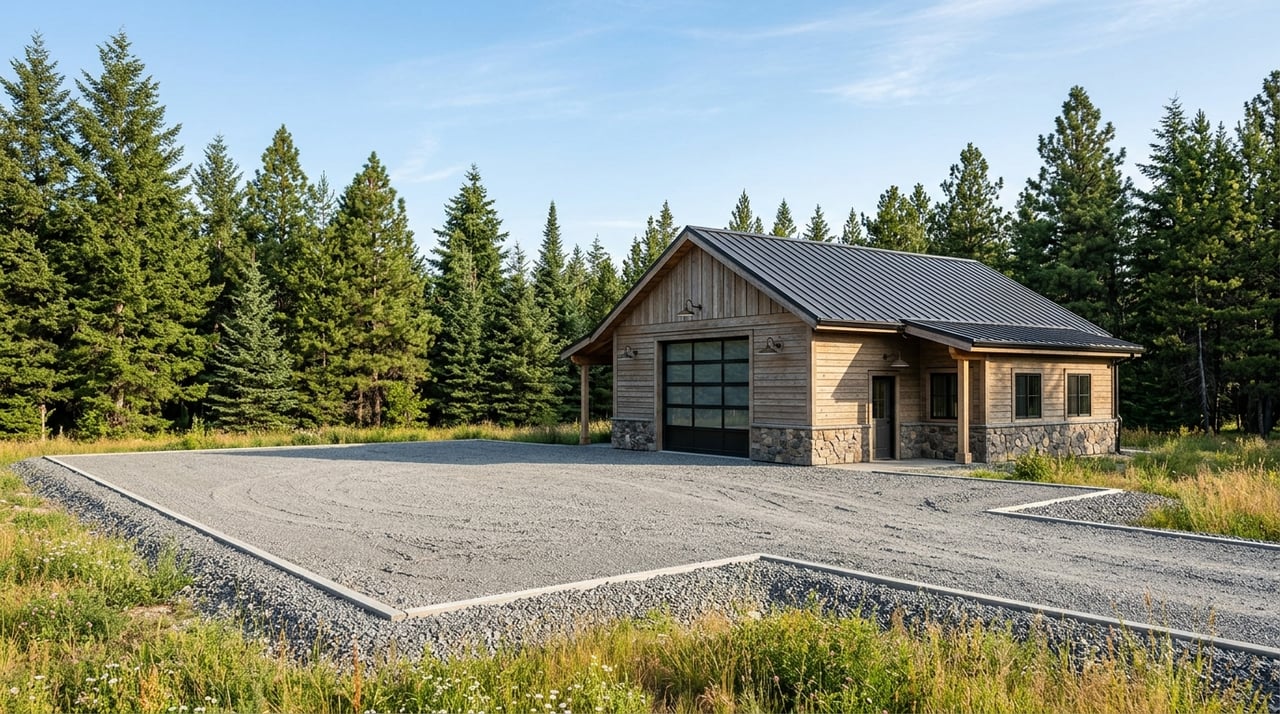
If your ideal North Idaho property includes room for a shop, space for a boat, and quick access to the outdoors, land near Athol deserves a close look. Many buyers are not just searching for a homesite here. They are looking for a practical base for lake days, trail time, RV storage, and year-round recreation. The key is knowing how to evaluate land beyond the listing photos so you can avoid surprises and choose a parcel that truly fits your plans. Let’s dive in.
Why Athol appeals to land buyers
Athol offers a rural setting with convenient access to Lake Pend Oreille and Farragut State Park. That combination makes it attractive if you want elbow room at home and easy access to boating, hiking, biking, camping, and other outdoor activities.
Farragut State Park sits on the southern tip of Lake Pend Oreille and offers more than 40 miles of trails. The park also includes fishing, paddlesports, RVing, swimming, snowshoeing, and cross-country skiing, which helps explain why so many buyers want land that can handle extra gear and storage.
For boat owners, Beaver Bay Beach and Eagle Boat Launch matter in a big way. The park identifies Eagle Boat Launch as the only major access for boaters on the south end of Lake Pend Oreille, so buyers often prioritize parcels that make towing, parking, and storing a boat easier.
What land listings often look like
Current public listings in Athol commonly cluster around parcels of about 5 to 10 acres. Recent examples include acreages around 4.81, 5.0, 5.01, 5.12, 5.82, 10.0, and 10.93 acres, along with wooded parcels just outside city limits.
That listing pattern matters because it suggests a very specific kind of use. In many cases, buyers are looking for enough land for a house plus a detached shop, enclosed storage, RV or boat parking, or room for small-scale rural living.
This is not the same as buying a small subdivision lot where nearly everything is already in place. Near Athol, you often need to think through how the land will function day to day, especially if your plans include outbuildings, equipment, trailers, or seasonal recreation use.
Access comes first
When you buy land near Athol, legal and workable access is one of the first things to confirm. A parcel can look perfect online and still become difficult if the road access is unclear or the driveway layout does not fit your plans.
Kootenai County’s site plan requirements call for parcel boundaries, easements, utilities, roads, driveways, parking areas, and flood-zone information to be shown. The county also notes that if a parcel is accessed by a private road or adjacent private property, an access easement is required.
That means you should ask practical questions early:
- Is the access legal and documented?
- Who maintains the road?
- Is the driveway location workable for a shop, RV pad, or boat turnaround?
- Are there easements or setbacks that limit where you can build?
- Are there plat notes that affect structures or site layout?
If the property connects to a state highway, there may be additional access or encroachment considerations through the Idaho Transportation Department. This is one of those details that can affect cost, timeline, and usability, so it is worth checking before you move too far down the road.
Utilities can shape your budget
Utilities are another major piece of the land-buying puzzle near Athol. Inside Athol city limits, the city states that it provides water service, but it does not have municipal wastewater collection or treatment.
That means wastewater is handled through septic systems. Athol’s planning materials also state that electricity is supplied by Kootenai Electric Cooperative and natural gas by Avista Utilities.
Outside city limits, utility planning can be even more important. A parcel may seem affordable at first, but the true cost can change once you factor in power extension, well drilling, septic installation, driveway work, and site preparation.
Septic and wells need early attention
If you are buying land for a future home, shop, or recreation-focused setup, septic and water need to be part of your due diligence from the start. Panhandle Health District says individual wells and individual subsurface sewage disposal systems are reviewed at the subdivision and land-development stage, and a valid permit is required for septic installation, alteration, or expansion.
For wells, Idaho law requires a drilling permit from the Idaho Department of Water Resources before drilling, and the well must be built by a licensed driller. Idaho Health and Welfare also notes that private wells are not regularly tested or monitored, so owners are responsible for water safety.
The state recommends annual bacteria and nitrate testing, along with broader contaminant testing every 3 to 5 years. If you are comparing parcels, remember that not all land will have the same septic or well costs. Soil conditions, depth to water, and distance to utility connections can vary a lot from one property to the next.
Building plans should match the parcel
A common reason buyers look at Athol acreage is the chance to add a shop, pole barn, storage building, or garage. Kootenai County’s Building Division issues permits for homes, garages, pole barns, and certain storage buildings, and county jurisdiction applies to structures outside city limits.
The county also notes that site disturbance activities such as grading and excavation can require permits. That matters if you are planning a long driveway, leveling an RV pad, or preparing a homesite and outbuilding area.
If the parcel is inside Athol city limits, the permit path may be different. The city lists its own Building Location or Land Use Permit, Site Disturbance Permit, and Right of Way Encroachment Permit, so you want to confirm jurisdiction before assuming the process will be the same everywhere.
City limits or county land matters
One of the simplest checks can save you a lot of confusion later. Find out whether the parcel is inside Athol city limits, in the city’s area of impact, or in unincorporated county land.
That single detail can change which permits apply and which offices you will work with. It can also affect how you think about water service, site work, and the steps needed before building.
For buyers coming from outside the area, this is especially important. North Idaho land can look very similar from parcel to parcel, but the approval path may differ depending on the exact location and jurisdiction.
Think carefully about agricultural or timber use
Some buyers want more than a home base for recreation. You may also be considering hobby farming, animals, or long-term timber value.
If so, it is important to understand that tax classifications have specific requirements. Kootenai County says agricultural exemption eligibility generally depends on land actively devoted to agriculture, with a stricter test for parcels 5 acres or less, and land used for animals kept mainly for personal use does not qualify.
The county’s timber exemption page says at least 5 acres of ground actively devoted to timber production is required. In other words, you should not assume a parcel will qualify for an agricultural or timber-related tax treatment just because it is rural or treed.
Recreation drives property decisions
Near Athol, lifestyle often drives the land purchase as much as the homesite itself. Buyers are frequently choosing a parcel that supports weekends at the lake, trail access, winter recreation, and room for the equipment that comes with that lifestyle.
Farragut State Park’s trail system includes routes such as Farragut Loop Trail, Highpoint Trail, Beaver Bay Shoreline Trail, and Scout or Bernard Peak Trail. The park also notes that more than 20 miles of trails are accessible from the north side of the park.
That kind of recreation access can influence what matters most on the property. A wide driveway, easy trailer maneuvering, enclosed storage, and enough usable ground for parking can be just as important as the view.
A smart checklist for Athol land
Before you remove contingencies, focus on the items that most often affect usability and cost:
- Confirm whether the parcel is in city limits, the area of impact, or county jurisdiction
- Verify legal access and any recorded easements
- Review setbacks, plat notes, and building-area limitations
- Ask about utility availability and extension costs
- Check septic feasibility with the appropriate local authority
- Ask a well professional about likely well requirements and cost factors
- Consider driveway layout for boats, RVs, and outbuildings
- Review whether grading or excavation permits may be needed
- If relevant, ask about agricultural or timber exemption requirements
This kind of due diligence helps you buy with more confidence. It also helps you compare parcels based on real usability, not just acreage and price.
Why local guidance matters
Buying land near Athol can be exciting, but it also asks more of you than a typical home purchase. Access, utilities, permits, and site layout all play a bigger role, especially if you want space for a shop, boat, RV, or long-term recreation use.
That is where local knowledge can make the process smoother. When you understand how a parcel fits your goals before you commit, you are in a much better position to buy the right property the first time.
If you are exploring land near Athol and want practical guidance on acreage, access, and usability, Mia Suchoski can help you sort through the details and move forward with clarity.
FAQs
What size land parcels are common near Athol?
- Public listings in Athol commonly cluster around about 5-acre and 10-acre parcels, with examples including several properties just over or under those sizes.
Does Athol city water and sewer serve land parcels?
- Athol states that it provides water service within city boundaries, but it does not have municipal wastewater collection or treatment, so septic systems are used for wastewater.
Do you need to check access before buying land near Athol?
- Yes. Kootenai County requires access easements when a parcel is reached by a private road or adjacent private property, so legal access should be confirmed early.
Can you build a shop or pole barn on land near Athol?
- In many cases, yes, but permits may be required. Kootenai County issues permits for garages, pole barns, storage buildings, and homes outside city limits, and city parcels may follow Athol’s permit process.
What should buyers know about septic and wells near Athol?
- Septic systems require permitting through the local review process, and Idaho requires a drilling permit before a well is drilled. Costs and feasibility can vary by parcel.
Do small rural parcels automatically qualify for agricultural tax treatment in Kootenai County?
- No. Kootenai County says agricultural exemption depends on land being actively devoted to agriculture, and parcels 5 acres or less face a stricter standard.